Dr. Julie Jedlicka
Title: Professor
Email: jjedlicka@missouriwestern.edu
Phone: (816)271-4552
Accepting Students: Yes
Quick Bio
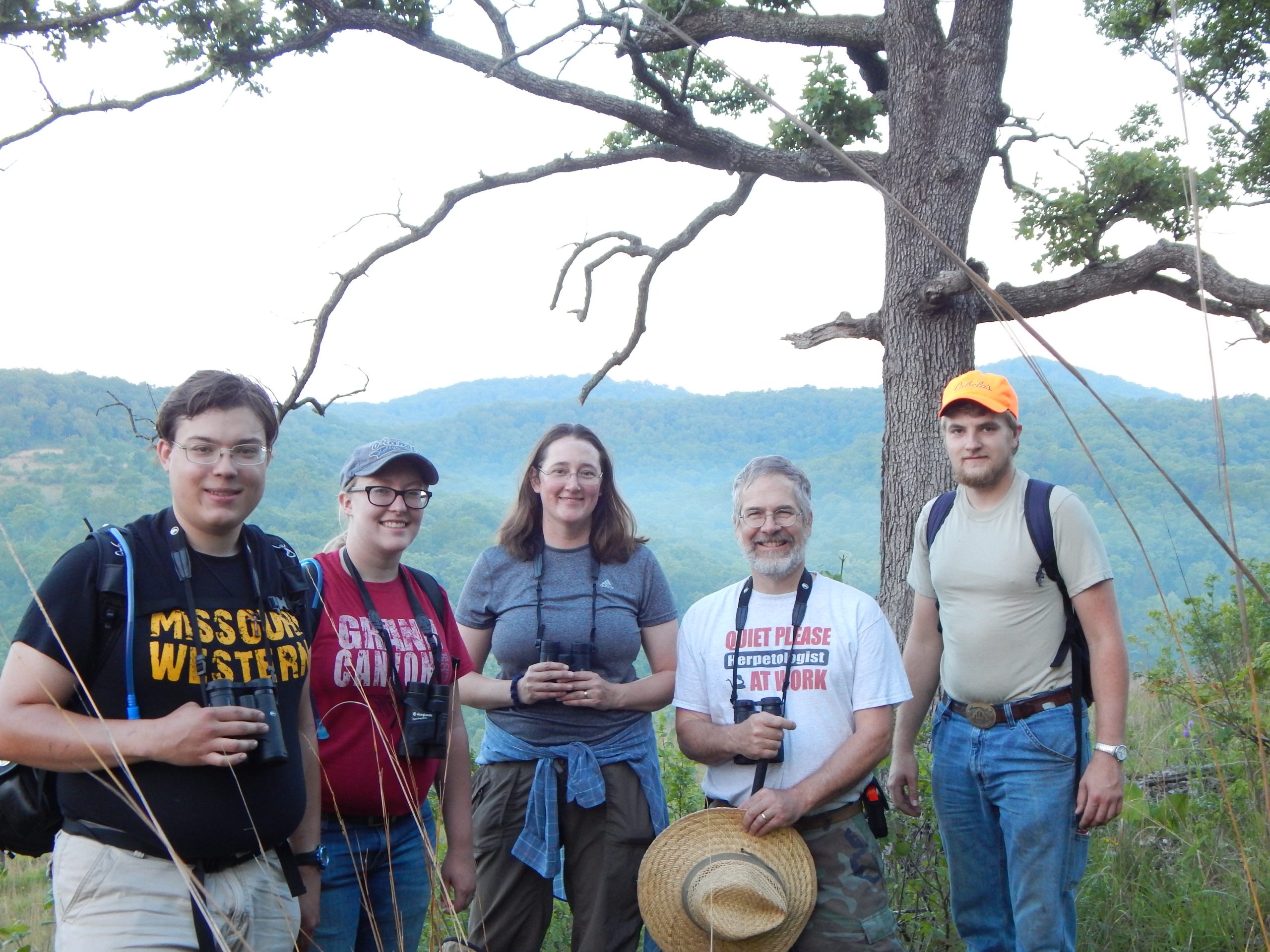
Dr. Julie Jedlicka has been at MoWest since 2015. Her research interests include wildlife conservation, organismal biology, ornithology, entomology, ecology, predator-prey interactions, animal behavior, agroecology, and sustainable food systems.
Education/Academic Qualifications
Ph.D., Environmental Studies, University of California, Santa Cruz
M.S., Ecology and Evolutionary Biology, University of Michigan, Ann Arbor
B.S. Resource and Ecology Management, University of Michigan, Ann Arbor
Promoting Avian Conservation in Human-Use Landscapes
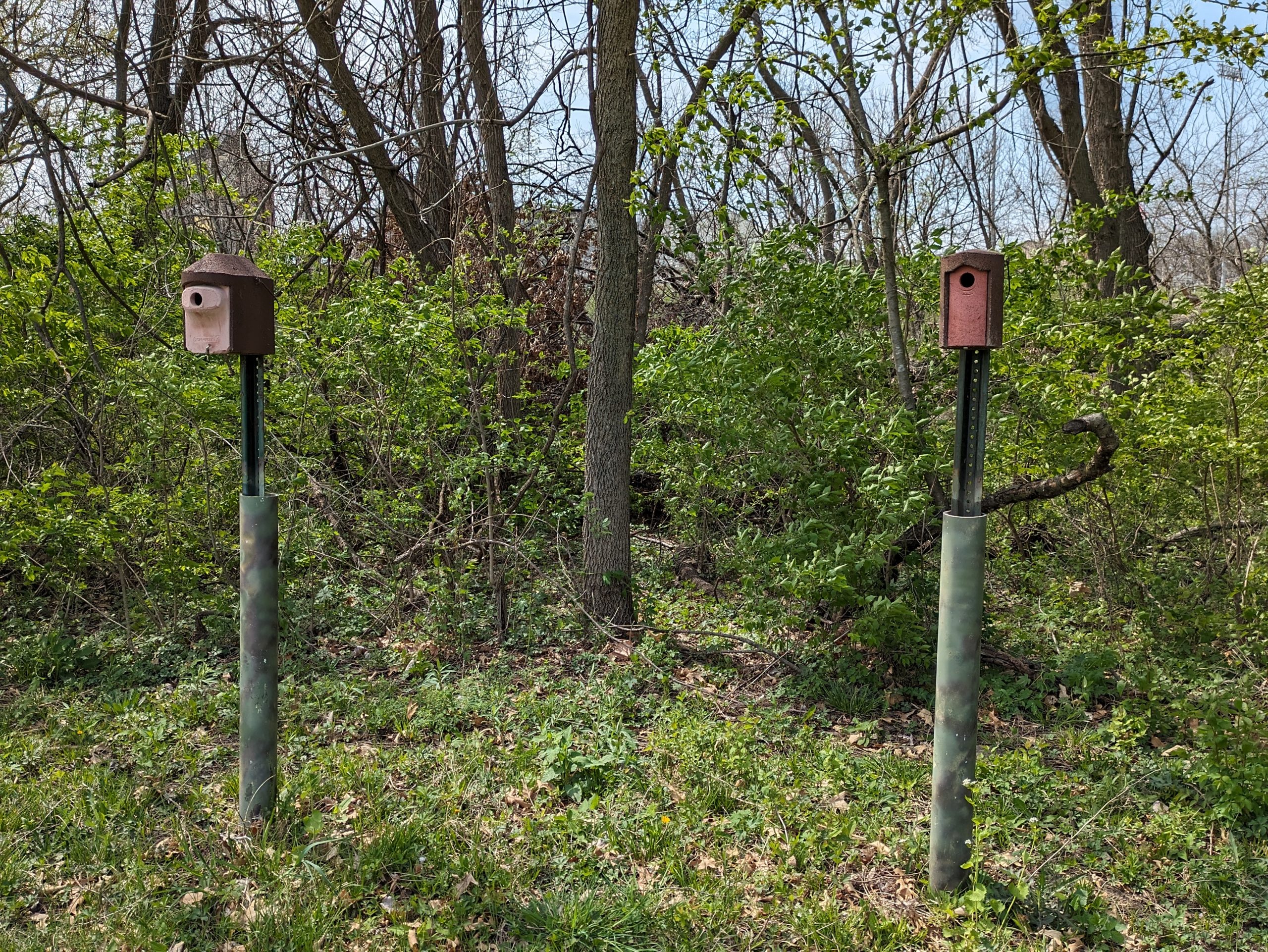
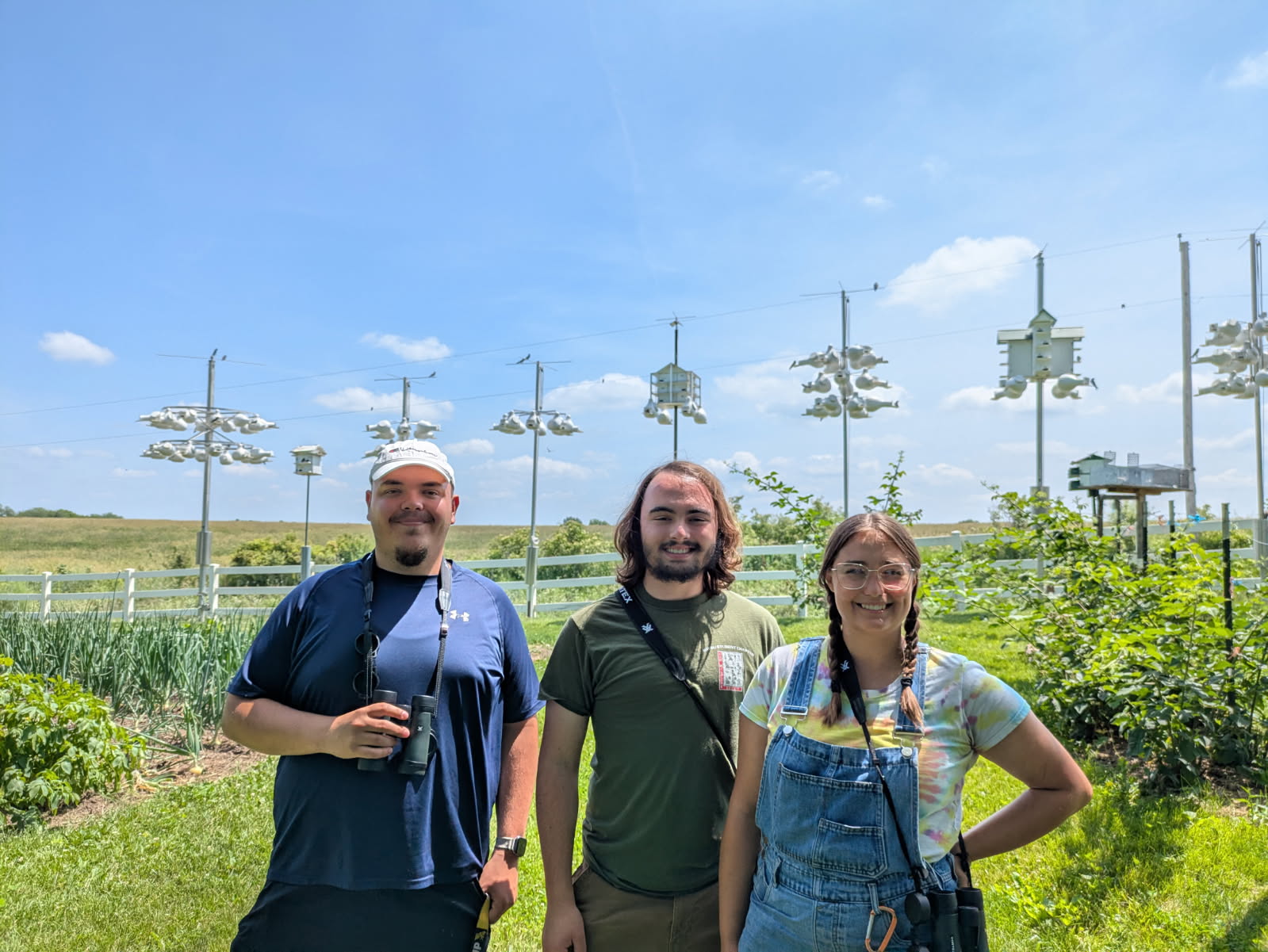
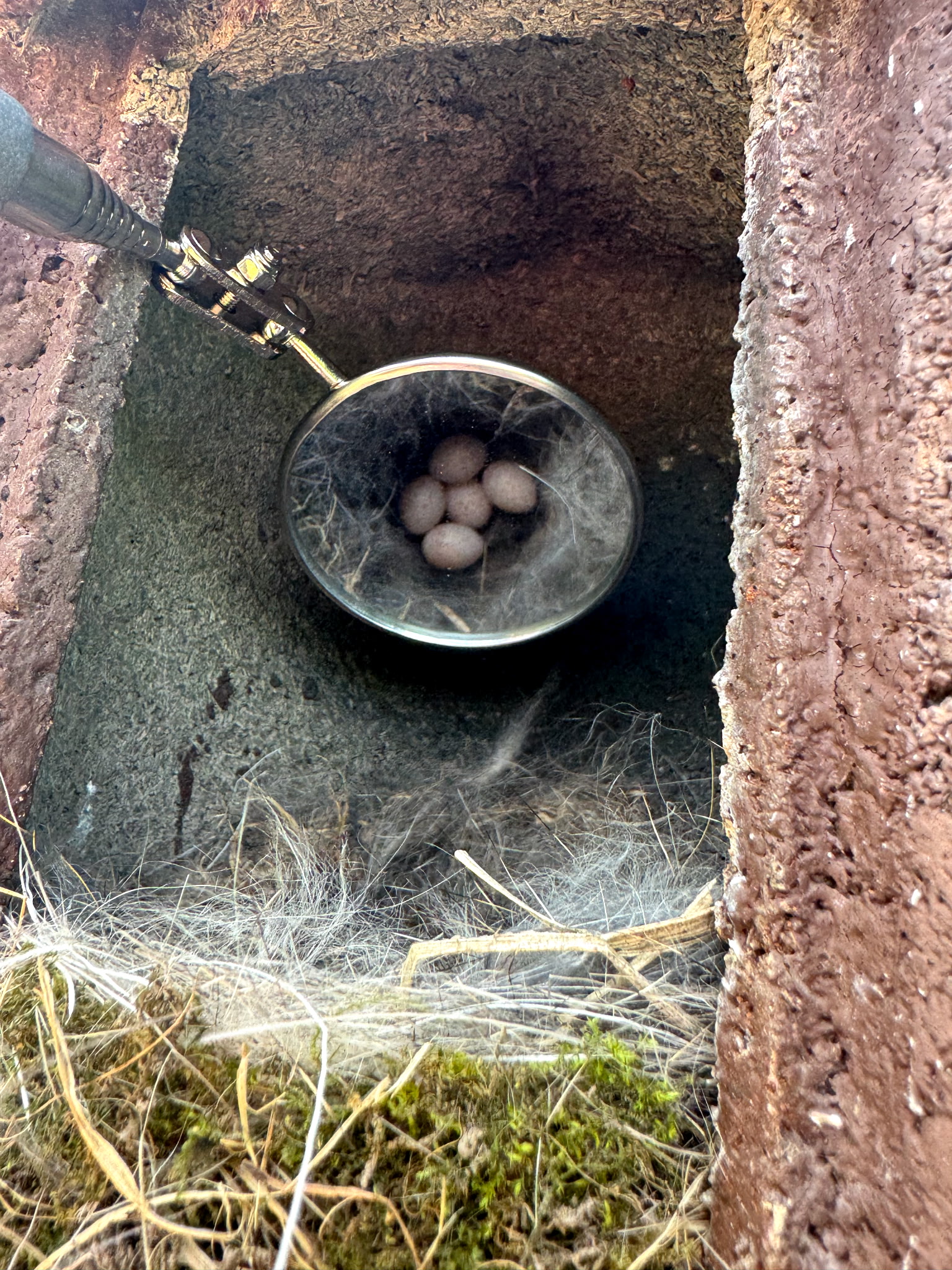
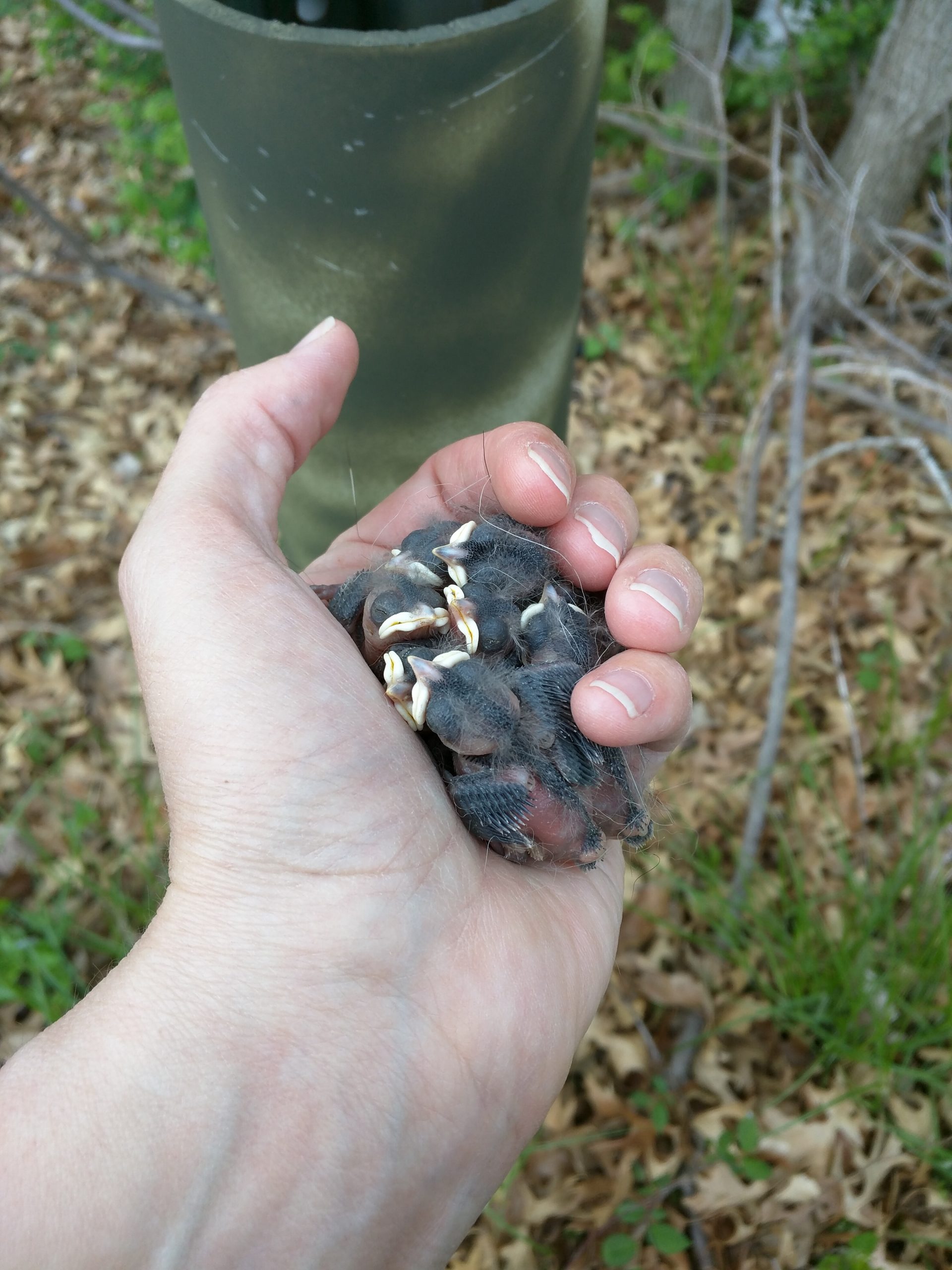
This research is conducted to help avian conservation efforts locally and statewide. In partnership with the Missouri Department of Conservation, MoWest students analyze bird species utilizing the declining habitat in Southern and Central Missouri. Dr. Jedlicka and students have established 62 songbird, 16 Purple Martin, 6 Wood Duck, and 2 owl nest boxes on MoWest’s campus. As part of a long term study, the team monitors nest site selection and reproductive success of hundreds of birds. We additionally test whether native bird species prefer certain artificial boxes. Finally we investigate whether predator proof boxes are really predator proof.
Requirements
All students interested in wildlife conservation are welcome. Must be reliable and able to record data.
Past Research
Advancing Avian Diet Studies to Address Ecological Questions
This research applied molecular scatology to fecal samples to analyze ecological relationships between avian insectivores and their communities. Of particular interest in this work is uncovering the ecosystem services birds may provide. From 2017 – 2020 The National Science Foundation (NSF) awarded research funds for undergraduate students and Dr. Jedlicka to travel to Kenya and conduct field research in coffee farms to analyze how avian communities change in different coffee management systems and research whether diverse systems may be resilient to upcoming climate change scenarios.
Publications
- Effects of native and non-native shade trees on insect predation pressure on Kenyan coffee farms
- Effects of native and non-native shade trees on bird trees in central Kenyan coffee farms
- Evidence for frequency-dependent selection in House Wrens, but not Eastern Bluebirds
- Differences in insectivore bird diets in coffee agroecosystems driven by obligate or generalist guild, shade management, season, and year
- Molecular scatology and high-throughput sequencing reveal predominately herbivorous insects in the diets of adult and nesting Western Bluebirds (Sialia mexicana) in California vineyards
- Birding and Herping the Ozark Glades