


Dr. Jon Rhoad, Professor
Conformational Preferences of Pentofuranosides
Examining the Conformational Preferences of Pentofuranosides
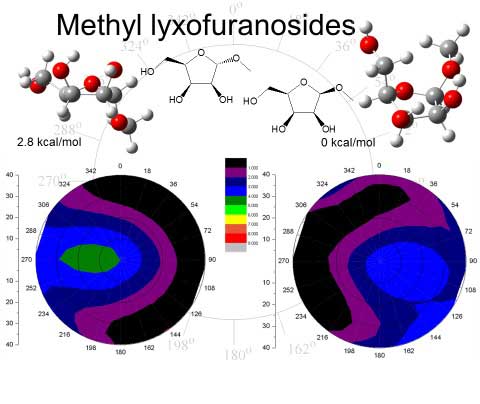
Bacteria that cause diseases such as tuberculosis and leprosy use unique carbohydrates as part of their natural defenses. Since these carbohydrates are not used in mammalian cells, they are natural targets for new antibiotics. The very flexible shapes of these carbohydrates are not well understood. A better understanding of the flexible shape, or conformational preference, of these carbohydrates will strengthen our ability to design these new antibiotics. This is especially important because many of these bacteria are developing multiple-drug-resistant strains.
Research in the Rhoad group falls into two categories: computational and synthetic/spectroscopic. Our computational methods build models that are designed to predict the conformational preference of the simple protected sugars. The synthetic/spectroscopic derivatizes simple sugars and then does close measurements of the parameters influenced by the conformation—specifically proton-proton coupling constants in nuclear magnetic resonance spectroscopy. The measured versus calculated parameters are compared to determine the success of the computational modelling.
Dr. Jon Rhoad, Professor
A.B., William Jewell
M.S. and Ph.D., The Ohio State University
(816) 271-4389
jrhoad@missouriwestern.edu
Agenstein Hall 332

Dr. Shauna Hiley
Toxic Metals in Environmental and Consumer Product Samples
Analysis of Toxic Metals in Environmental and Consumer Product Samples
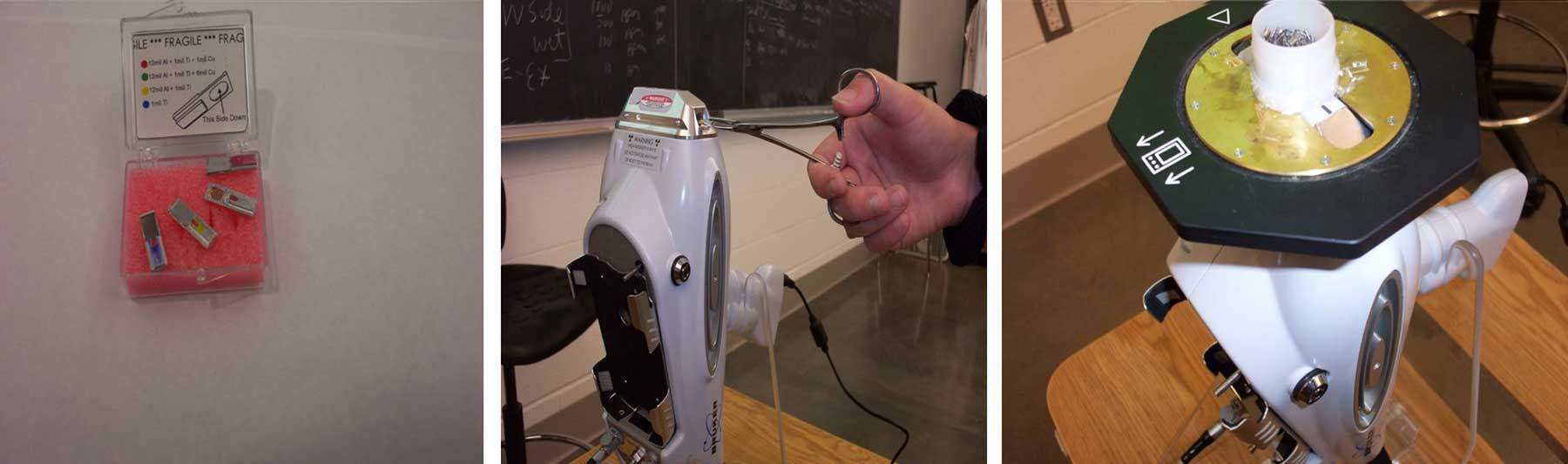
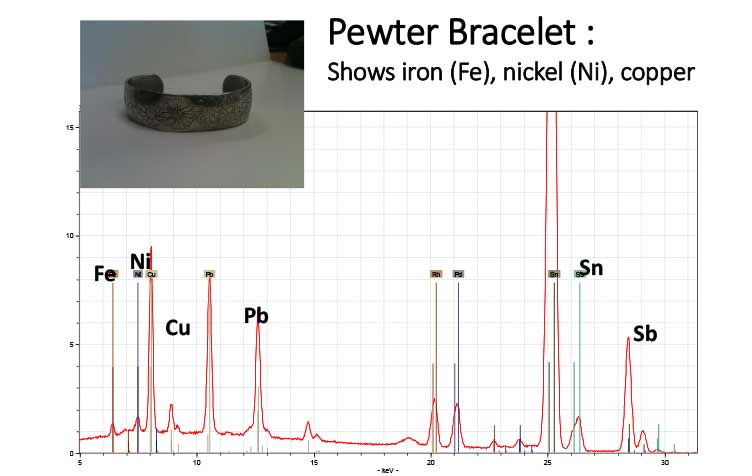
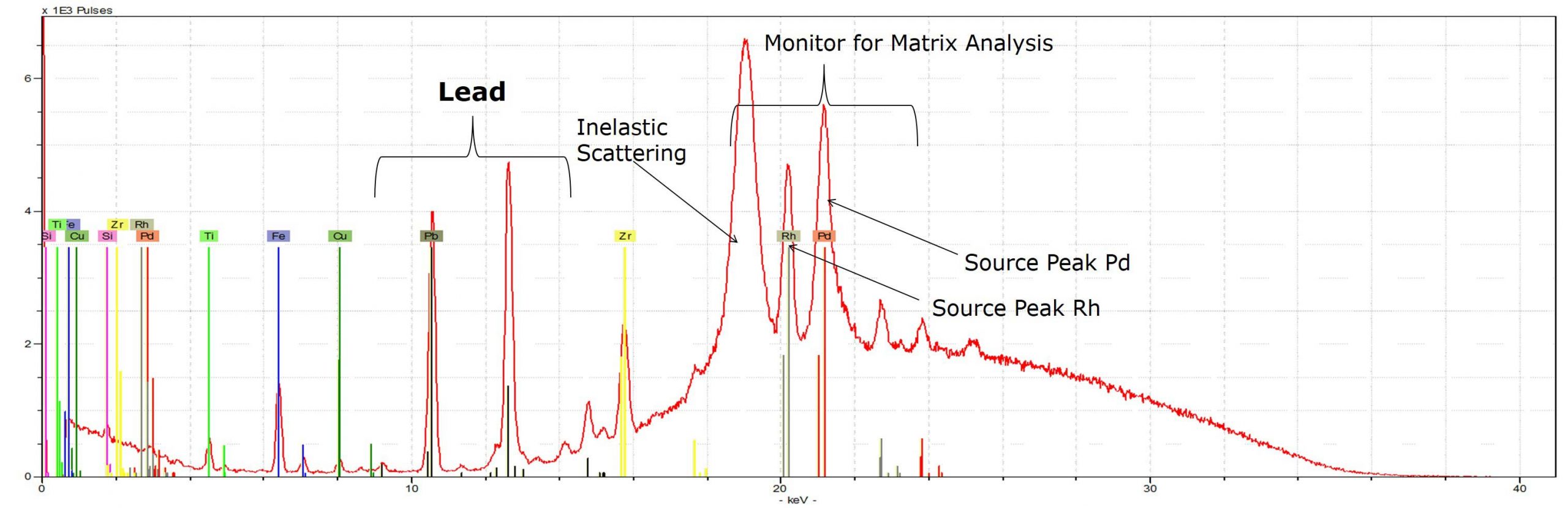
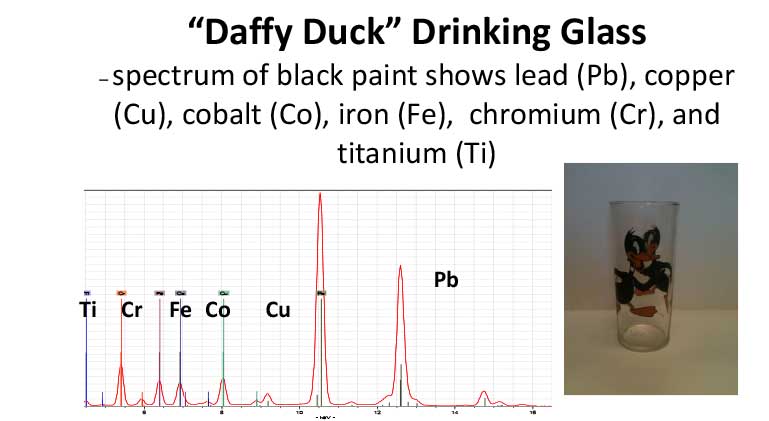
X-ray fluorescence spectroscopy (XRF) and flame atomic absorption (FAA) are two techniques we use to identify and quantify toxic metals such as lead in a wide variety of samples.
The XRF technique allows for quick, simultaneous identification of elements between atomic numbers of 11 (sodium) and 92 (uranium), with minimal sample preparation. Elements of high concentration can also be quantified using this technique.
For trace elements, FAA may also be used to quantify.
Specific projects involving these two techniques are (1) determination of lead content in recycled plastics materials, and (2) analysis of elements in environmental and grape vine samples from a local vineyard.
Dr. Shauna Hiley, Professor
B.S., Central Missouri State University
Ph.D., University of Wyoming
(816) 271-4437
hiley@missouriwestern.edu
Agenstein Hall 332B

Dr. Jeff Woodford
Peroxide Explosive Synthesis, Pseudo-Jahn-Teller Effect
Pseudo-Jahn-Teller Effect
The Jahn-Teller Effect, discovered in 1937, is a quantum-mechanical phenomenon in which highly symmetric molecules have their symmetry broken by interaction between the electronic states of a molecule and its vibrational modes. While this effect has been widely used to understand the structure of inorganic materials, comparatively less work has been devoted to understanding this effect in common organic materials. In this project, a related form of the Jahn-Teller Effect, known as the Pseudo-Jahn-Teller effect, is studied computationally to understand symmetry breaking phenomena such as ring puckering, pseudorotation and intramolecular hydrogen bonding, in small organic molecules.
Peroxide Explosives
Peroxide explosives such as diacetone diperoxide (DADP) and triacetone triperoxide (TATP) have been implicated in numerous terrorist incidents around the world, chiefly because these compounds are relatively easy to synthesize by amateurs using commonly available consumer products. In this research program, the synthesis of these explosives are modeled computationally, with an aim towards understanding the specific steps towards their synthesis so that it may be better controlled and regulated.
Dr. Jeff Woodford, Associate Professor
B.S., Carnegie Mellon
Ph.D., University of Nebraska
(816) 271-5671
jwoodford@missouriwestern.edu
Agenstein Hall 332H

Dr. Stan Svojanovsky
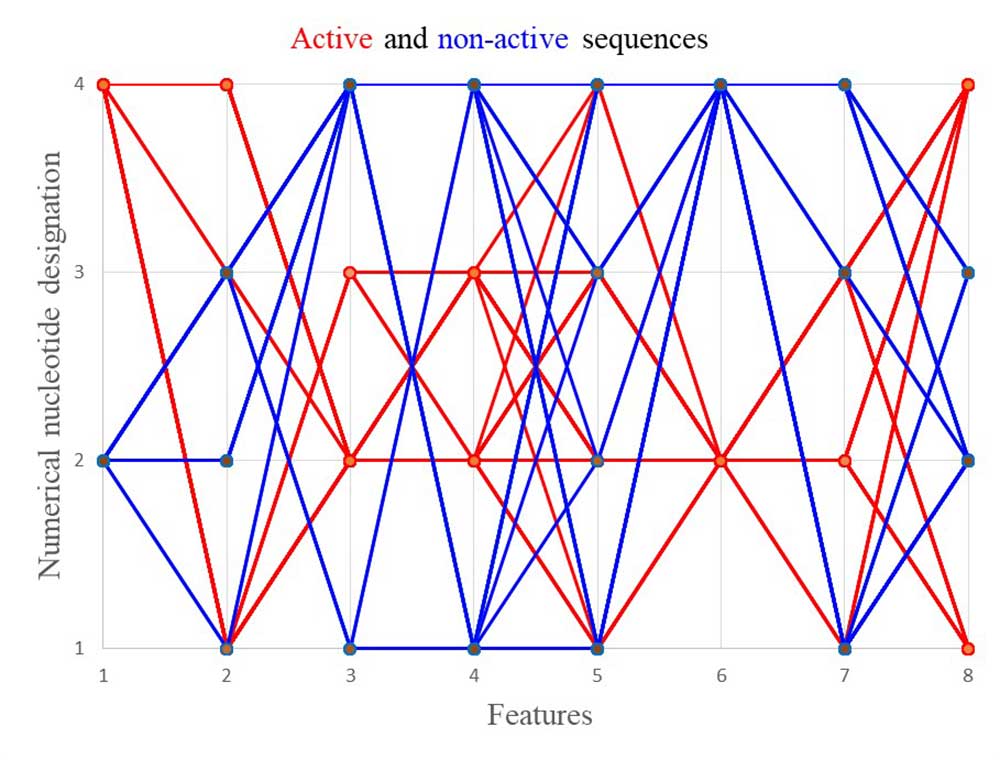
Neural Networks
Application of Neural Networks in Biomedical Research
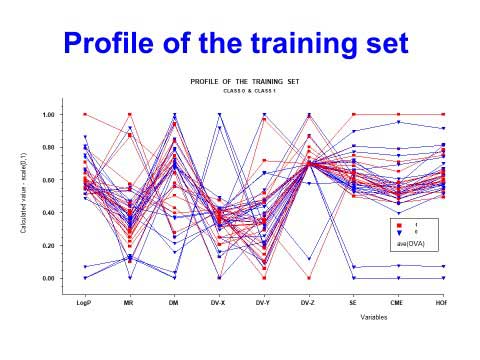
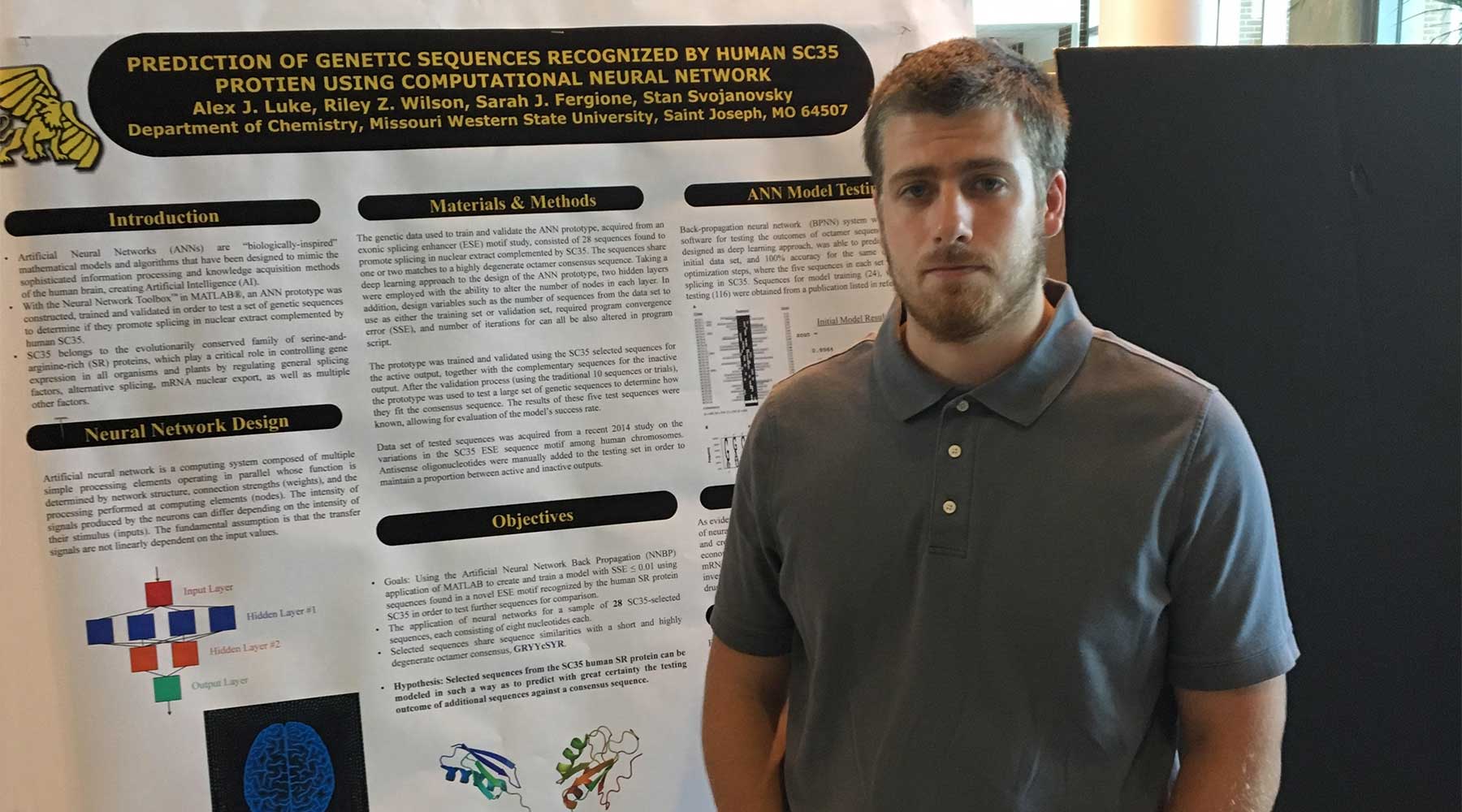
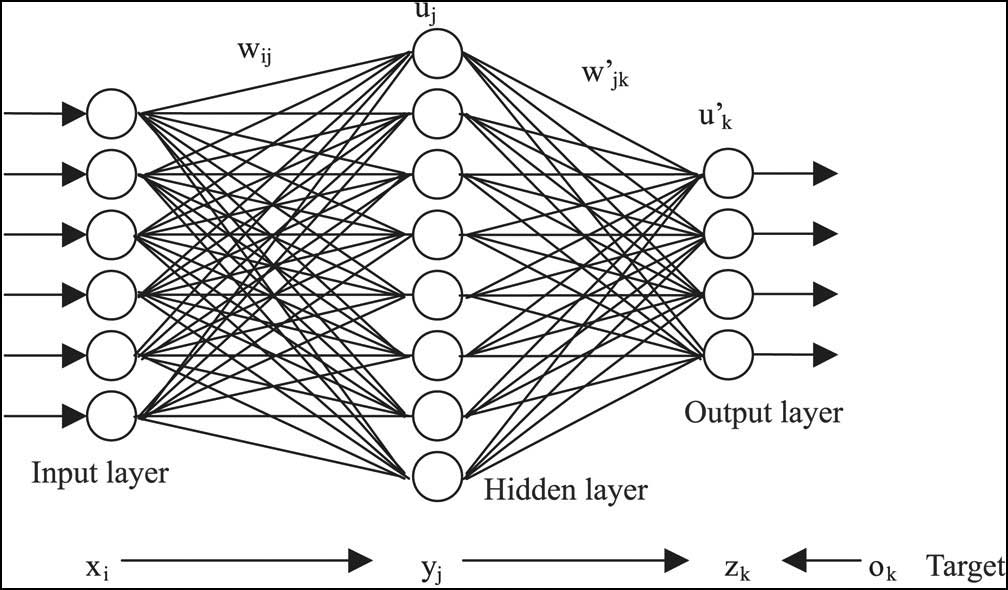
Artificial neural networks are computer-assisted models based on pattern recognition that mimic the biological neural networks of the human brain. These systems can ‘learn’ to perform tasks from initial data, followed by validation procedures to estimate the quality of gained intelligence. They can be used as potential screening tools. The concept of neural networks, which has its roots in artificial intelligence is rapidly gaining popularity in many fields of modern biomedical research such as drug design, medicine, health related scans and images to reveal any abnormal pattern.
The goals of our research project are summarized in these areas:
- Identify the project feasible for neural network application (literature research related to drug design or other biomedical applications).
- Building a unique neural network model that represents data underlying pattern recognition.
- Optimization process facilitated by validation procedures.
- Test the data on the validated network prototype followed by the interpretation of the results.
Dr. Stan Svojanovsky, Associate Professor
B.S., University of Pardubice (Czech Republic)
M.S. Western Michigan University
Ph.D., University of Kansas
(816) 271-4125
ssvojano@missouriwestern.edu
Agenstein Hall 332J